«


»
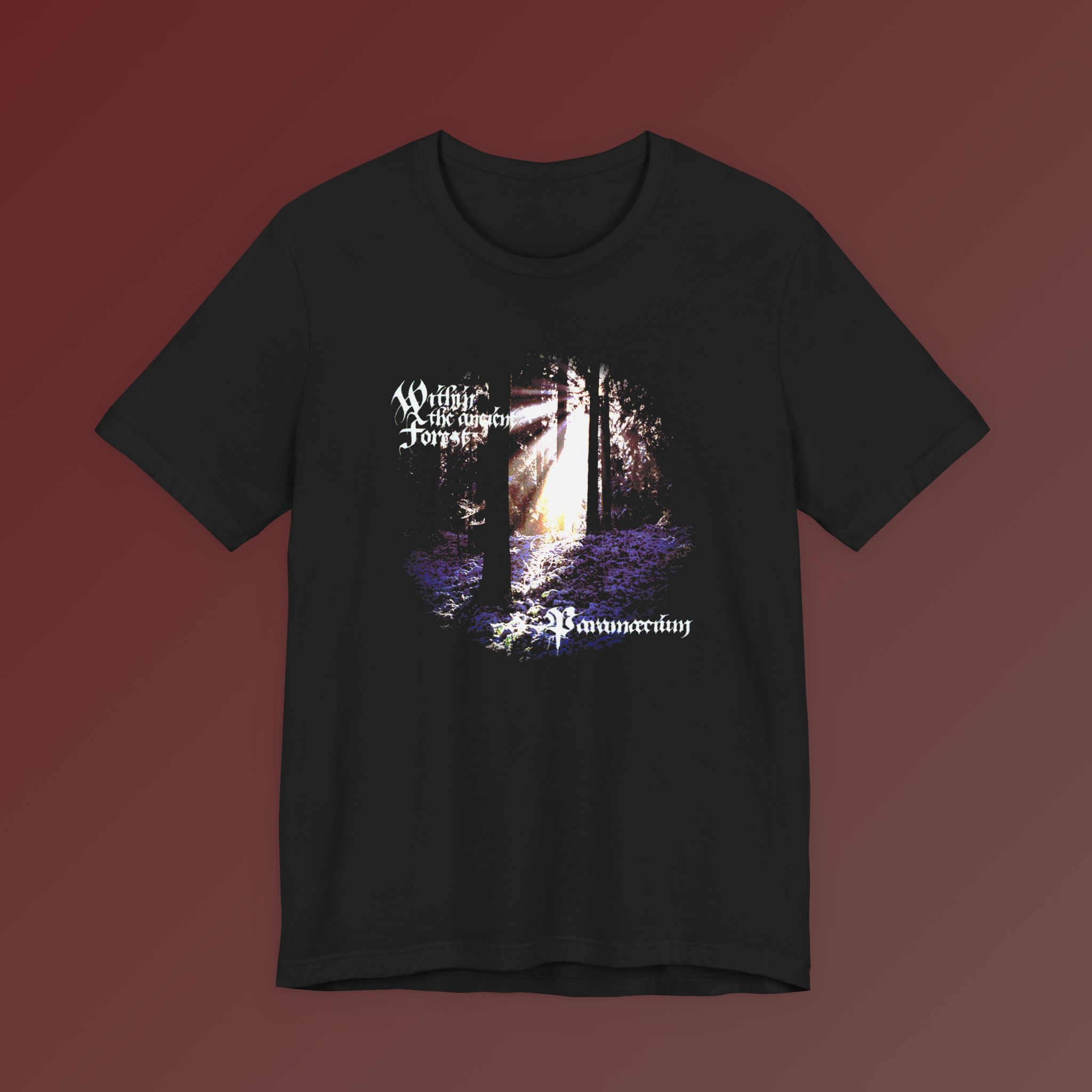
Paramaecium was a highly underrated doom/death band from the Australian scene. Where the band's debut album Exhumed of the Earth featured a magnificently oppressive, gloomy and funereal sound, their second album Within the Ancient Forest incorporated more elements of gothic metal such as medieval aesthetics,…
☩ Details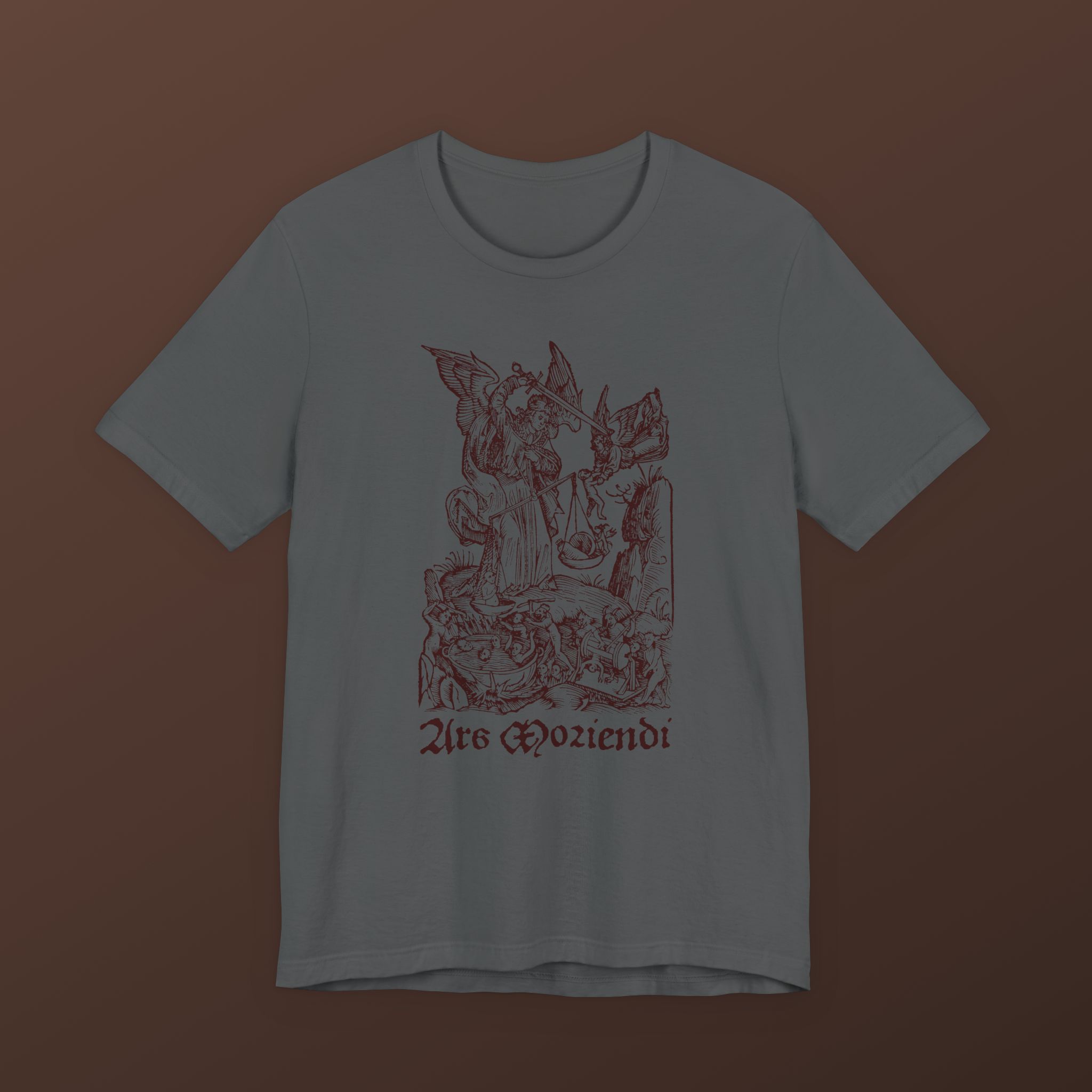
"Ars Moriendi" ("The Art of Dying") refers to a brief, illustrated book printed in the early 16th century that portrays the dying person's struggle with temptations before attaining a good death. The book's illustrations depict scenes where lack of faith, despair, impatience, spiritual pride, and…
☩ Details
Symphonian played a melodic and emotional style of gothic metal with a slightly more contemporary sound than other bands in the genre. Their music featured crushing downtempo guitars and harsh growls offset by symphonic keyboards and powerful female vocals. Product details: † 80% ring-spun cotton,…
☩ Details
A criminally underrated product of the early gothic metal scene, Fear of God took the genre to new and unheard of extremes. Featuring incredibly expressive female vocals, their music was a dynamic blend of alternative and gothic metal, at times subsiding into ambient desolation before…
☩ Details
From its starkly beautiful contrast of half-whispered male vocals with a ghostly female soprano to its tastefully understated atmospheric keyboards and melancholy doom metal riffs, Aegis by Theatre of Tragedy brings together diverse influences into a brilliant synthesis of gothic metal and alternative rock. Product…
☩ Details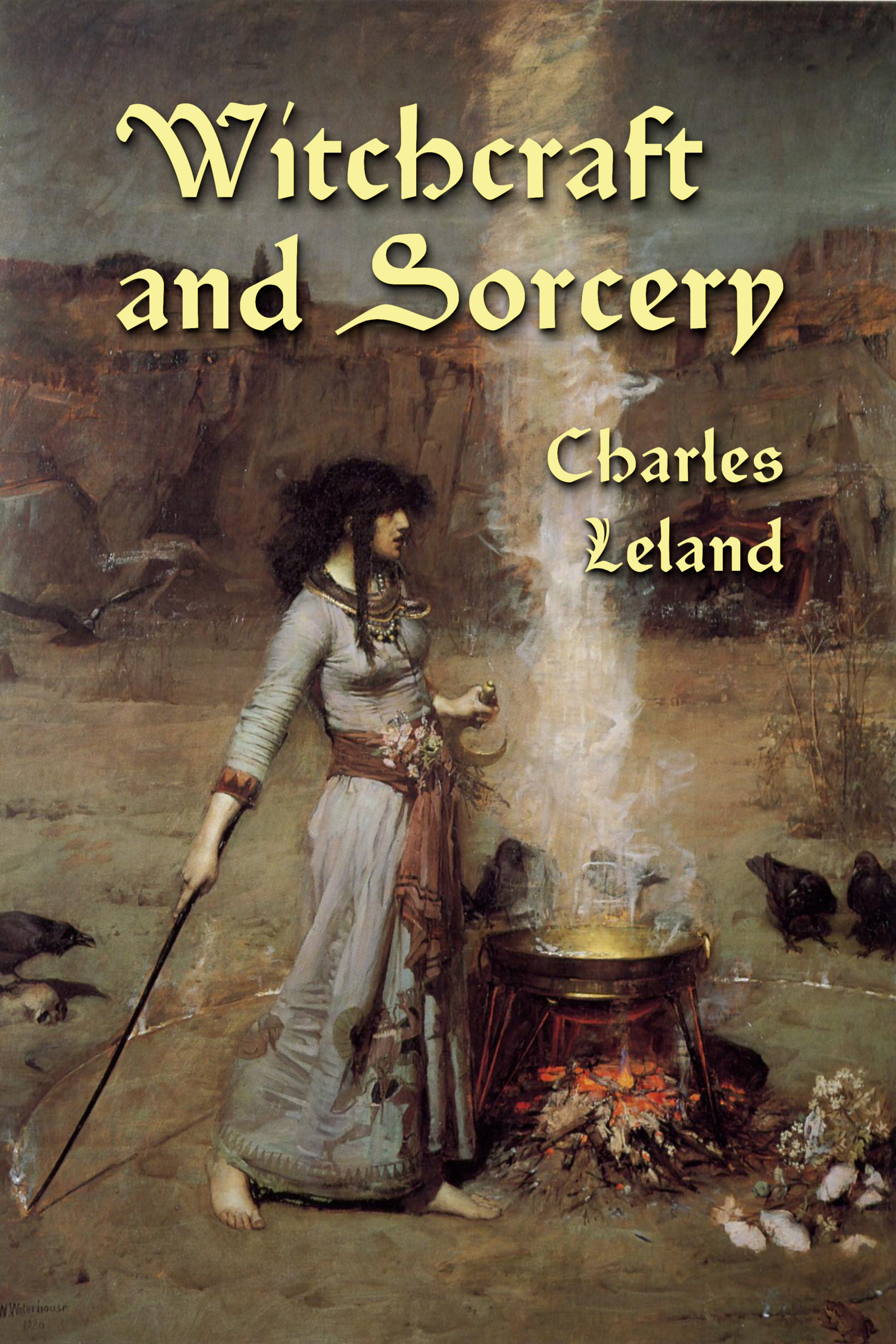
Charles Godfrey Leland was an American folklorist whose research into the esoteric traditions of Europe and America contributed greatly to the resurgence of interest in paganism and magic during the 20th century. This book contains his most famous work, Aradia: The Gospel of the Witches…
☩ Details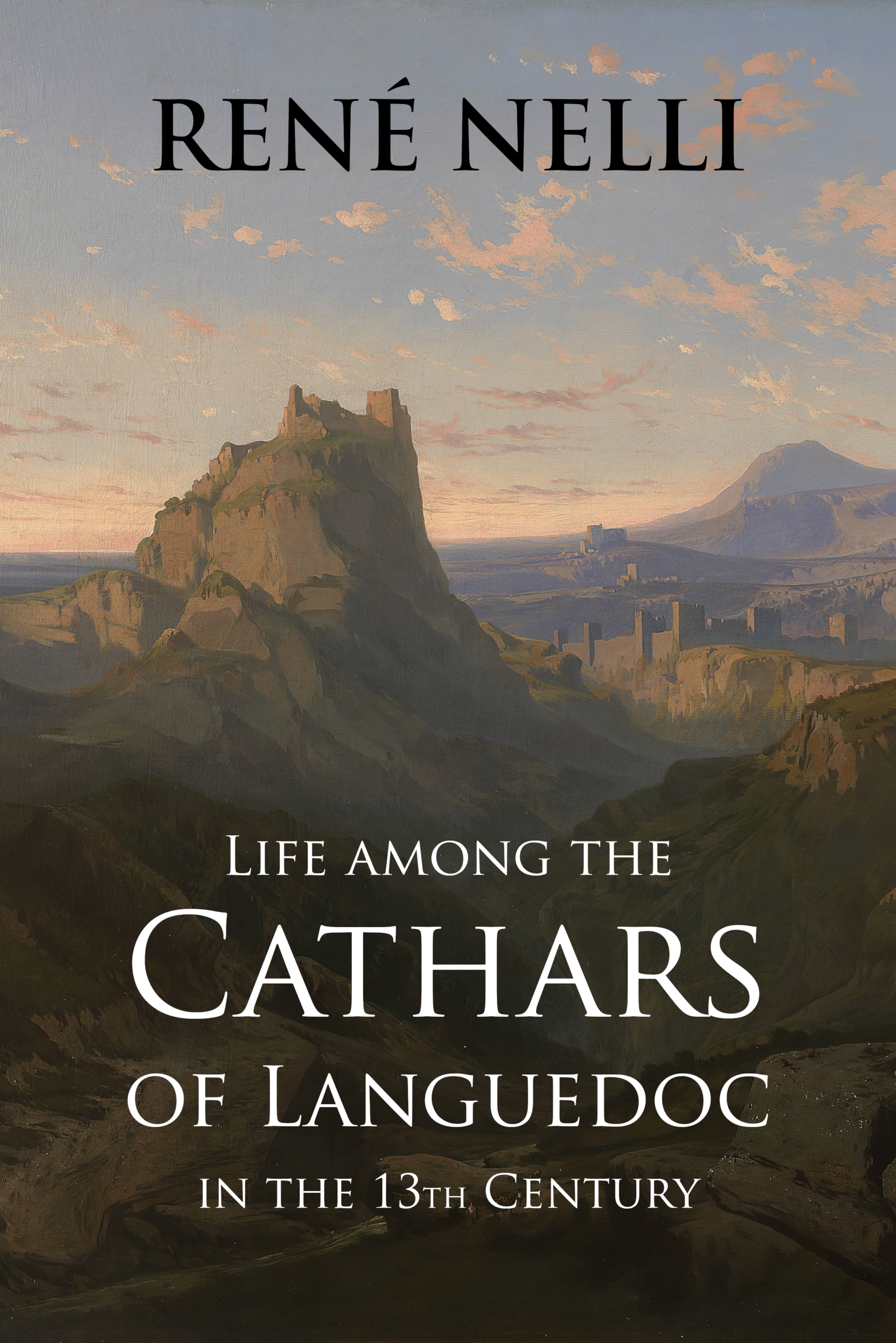
“In the French Middle Ages, from the end of the 12th century until 1209, when the Crusade was unleashed, Catharism was able to organize itself in the form of a Church and, through the great lords won to its cause, to exert a social and…
☩ Details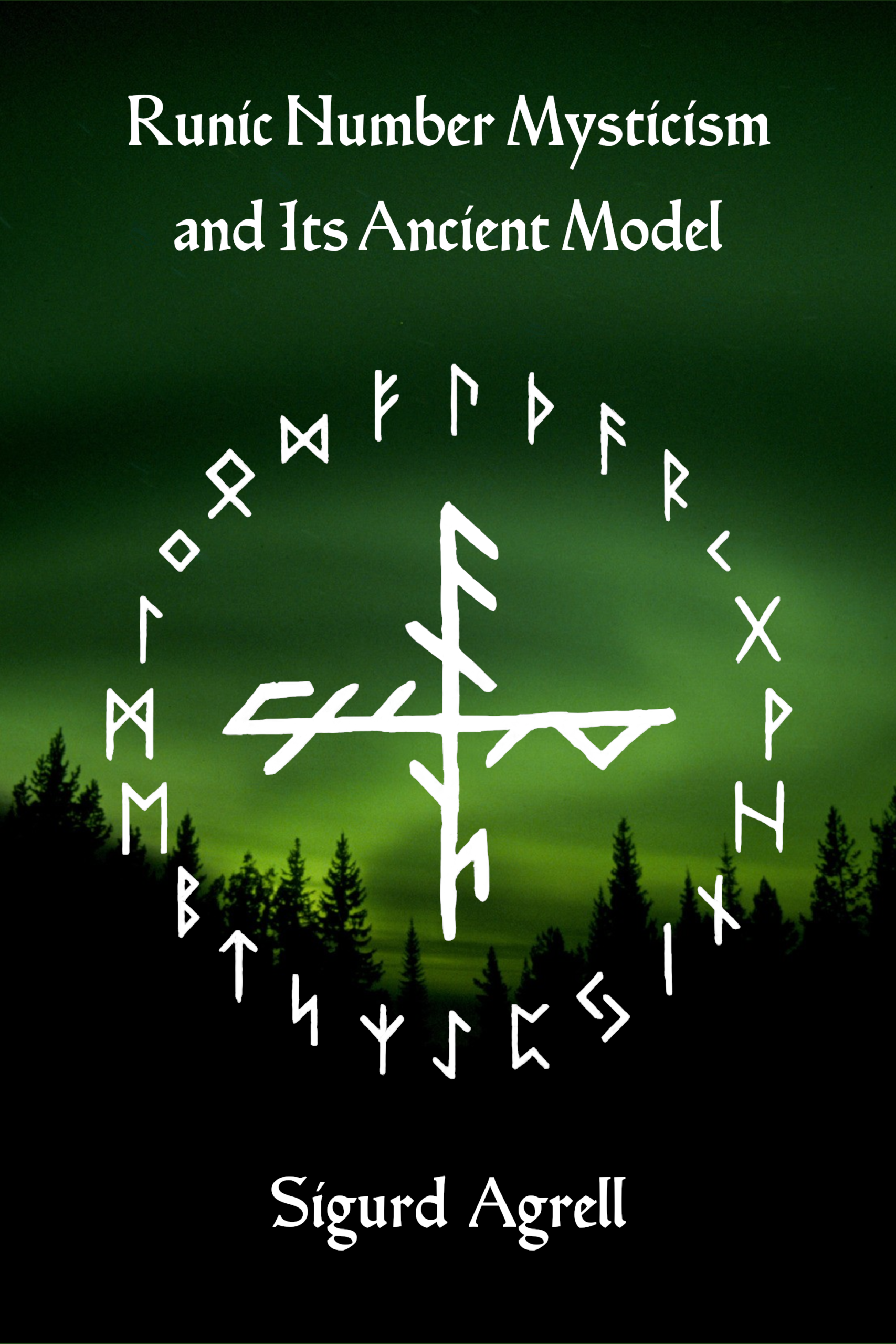
In his books on the runes, Sigurd Agrell argues that the conventional runic order, the Futhark, represents a displacement cipher, in which the last rune has been placed in the first alphabetical position, in order to hide the esoteric numerical value of each rune. He…
☩ Details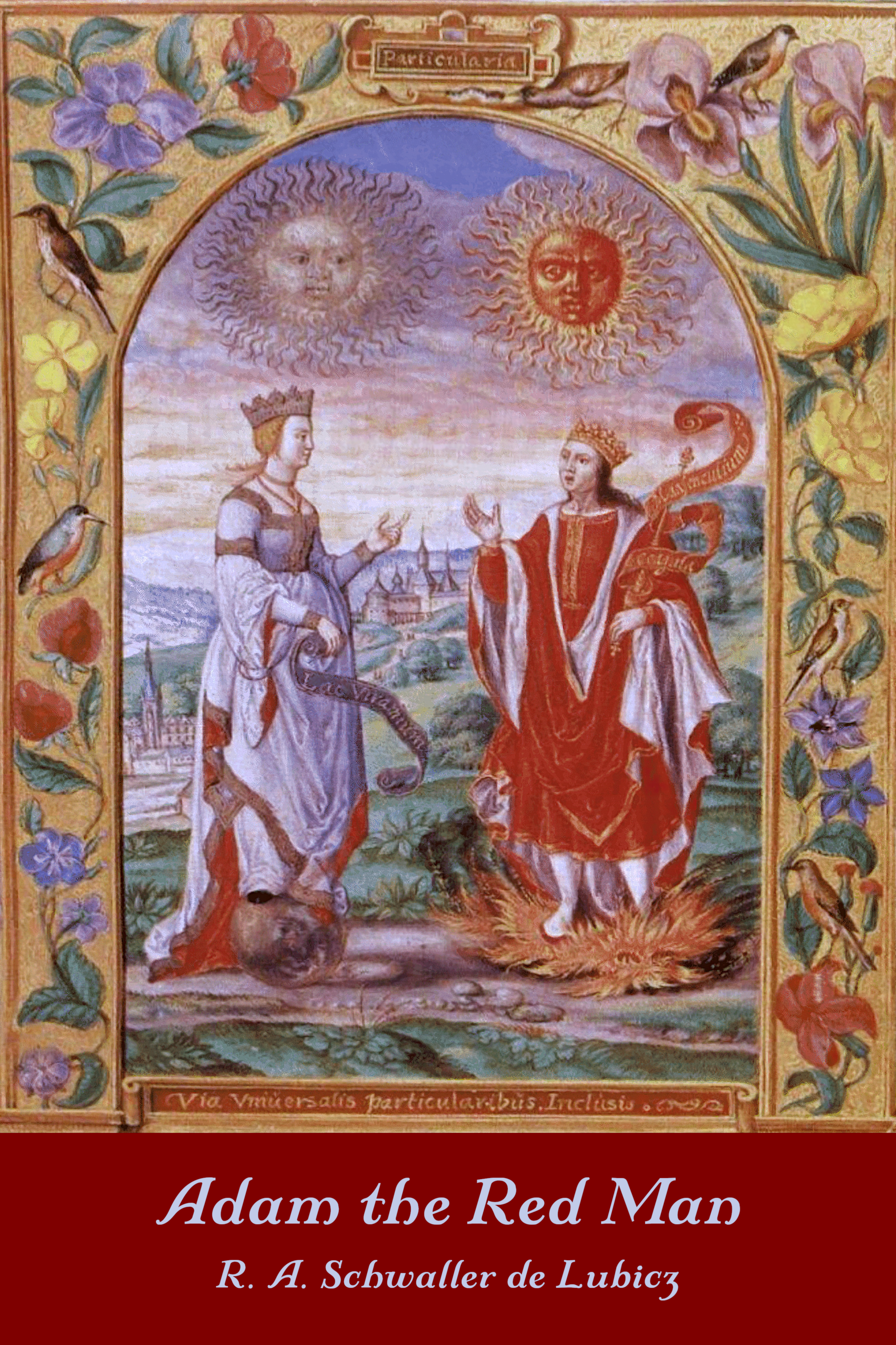
R. A. Schwaller de Lubicz Adam the Red Man, the most controversial work by renowned hermeticist and Egyptologist R. A. Schwaller de Lubicz, was first published in 1926. The book was intended mainly for his closest disciples, and de Lubicz later withdrew it from sale…
☩ Details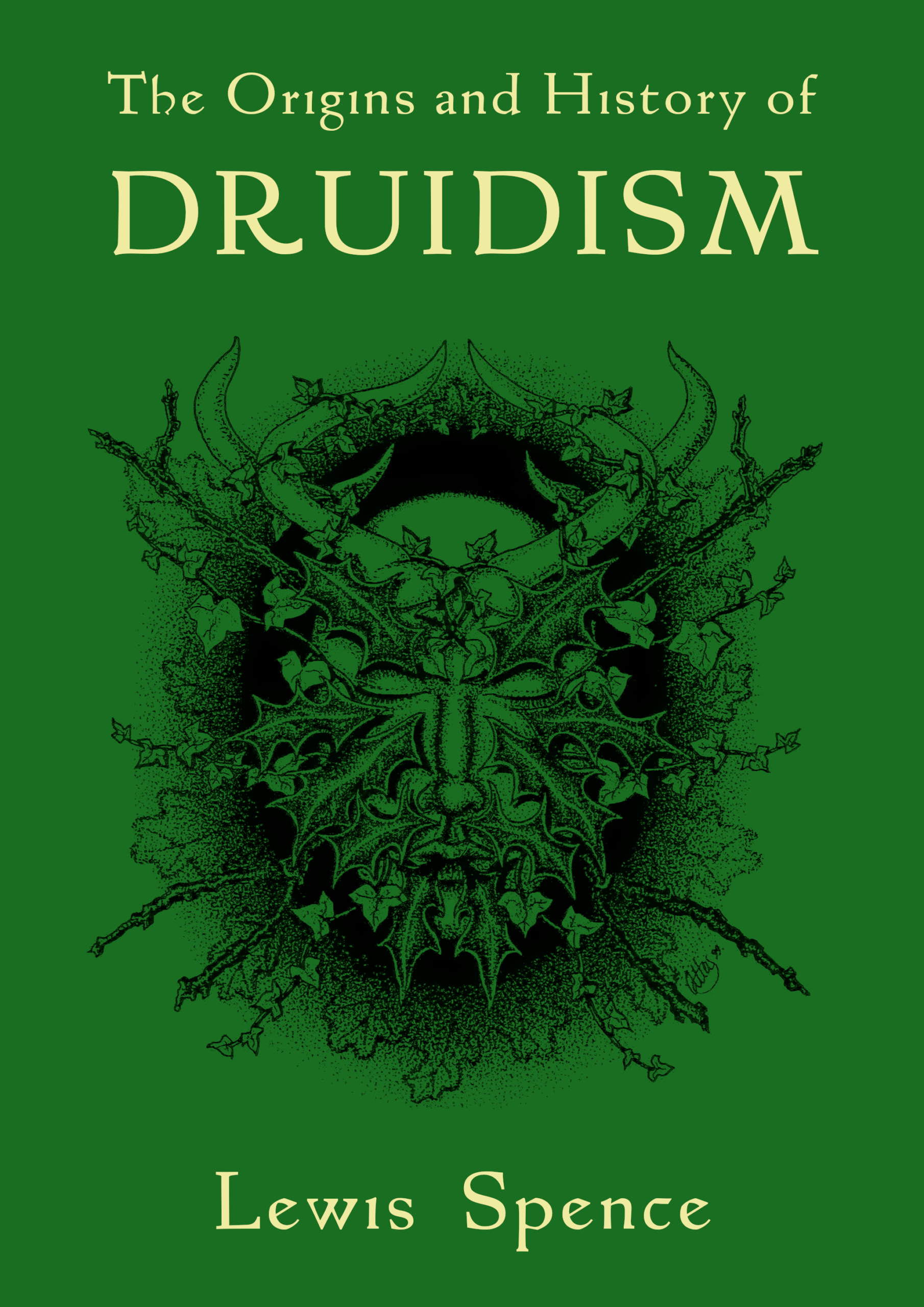
In this masterly evocation of a bygone age, the reader will learn of the Druidic priesthood; its theology, rituals and places of worship, as well as its magic and system of auspices. It has long keen the custom of historians to designate the megalithic monuments,…
☩ Details